When Radio Meets Science: Strengthening RJ Voices on HPV and Cervical Cancer
Written by Sonia Sarkar on 22 December 2025
Radio has always had a special place in India’s public health conversations. It travels easily across cities and villages, reaches people in their everyday moments, and builds trust through familiar voices. Recognising this power, UNICEF India, through its Critical Appraisal Skills (CAS) framework, has been working to strengthen how Radio Jockeys report on complex health issues such as HPV and cervical cancer.
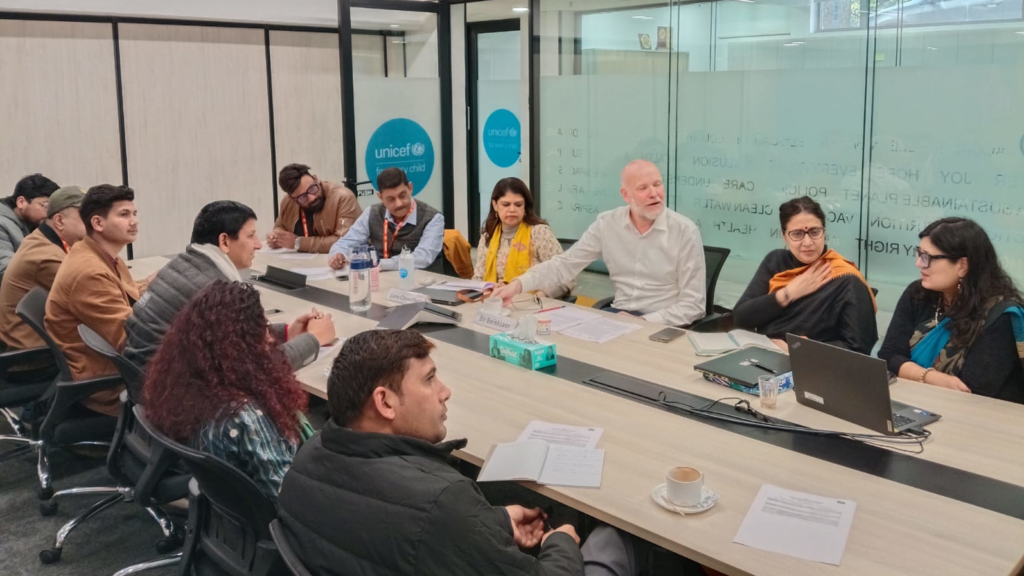
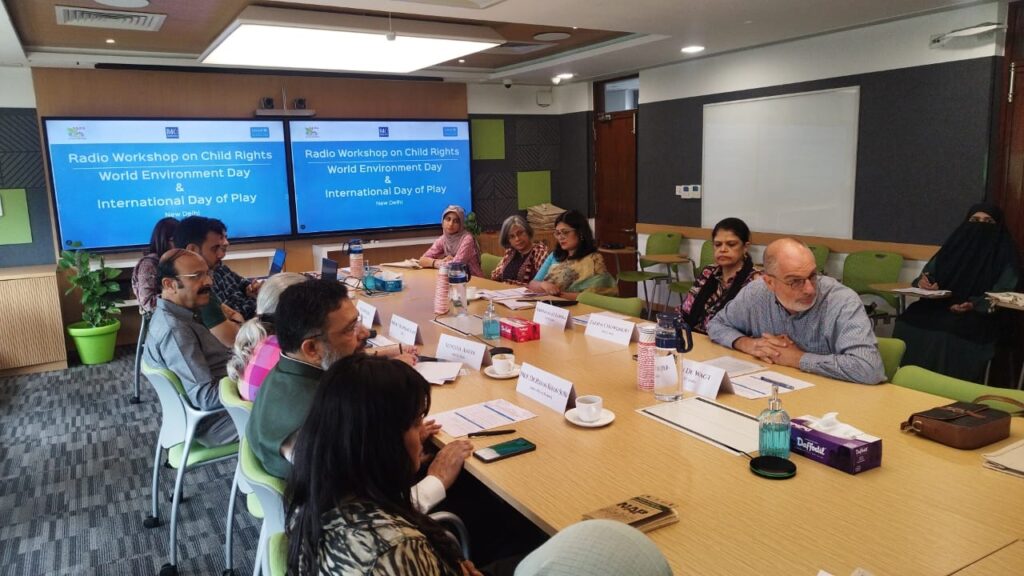
As part of a series of capacity building workshops held across New Delhi, Pune (in Maharashtra), Purnia (in Bihar), and Ranthambore (in Rajasthan), in November 2025, Radio Jockeys were trained alongside journalists to move beyond awareness slogans and towards evidence-based, responsible health communication.
At the Pune workshop, radio played a central role in shaping the conversation. RJ Kedar, on the sidelines of the workshop, led an engaging on-air style interaction with Sanjay Singh, Chief of UNICEF Maharashtra, spotlighting how adolescent health priorities such as nutrition, cervical cancer prevention, and road safety require clarity, accuracy, and empathy in media reporting.
The discussion highlighted how misinformation around HPV continues to circulate and how radio can act as a corrective force by asking the right questions, citing credible sources, and simplifying science without diluting facts.
The workshops introduced RJs to the 12 questions of the CAS Media Rating Tool (MRT), helping them evaluate health information before it reaches listeners. From checking sources and evidence to avoiding fear-driven language and ensuring local relevance, the CAS framework offered RJs a practical lens to shape their scripts, interviews, and campaigns.
At the Ranthambore workshop in Rajasthan, Radio City professionals including RJ Payal from Radio City, Nagpur, and Dr Subhash Krishna, Regional Programming Director (Bihar–Jharkhand) and Deputy General Manager, Radio City, joined journalists and editors in hands-on group work. The sessions focused on how radio storytelling can address myths around cervical cancer, clarify that HPV is preventable, and encourage early screening without creating alarm or stigma.
What stood out across the workshops was the recognition that radio does not need to sensationalise to be impactful. Instead, when grounded in evidence and delivered with emotional intelligence, RJ-led conversations can influence attitudes, prompt families to seek information, and normalise discussions around women’s health.
By equipping Radio Jockeys with the CAS framework, UNICEF’s approach goes beyond one-time messaging. It builds long-term capacity for RJs to become trusted health communicators, capable of countering misinformation, amplifying expert voices, and connecting public health priorities with everyday life.
As these trained RJs return to their studios and communities, their microphones now carry not just voices, but verified knowledge, responsibility, and the potential to save lives through informed conversation.
For resources on HPV/Cervical Cancer, CLICK HERE.